
Featuring Personal Reflections and Political Insight from Princess Noor Pahlavi and Christopher Nixon Cox, Grandchildren of the Shah and President Nixon
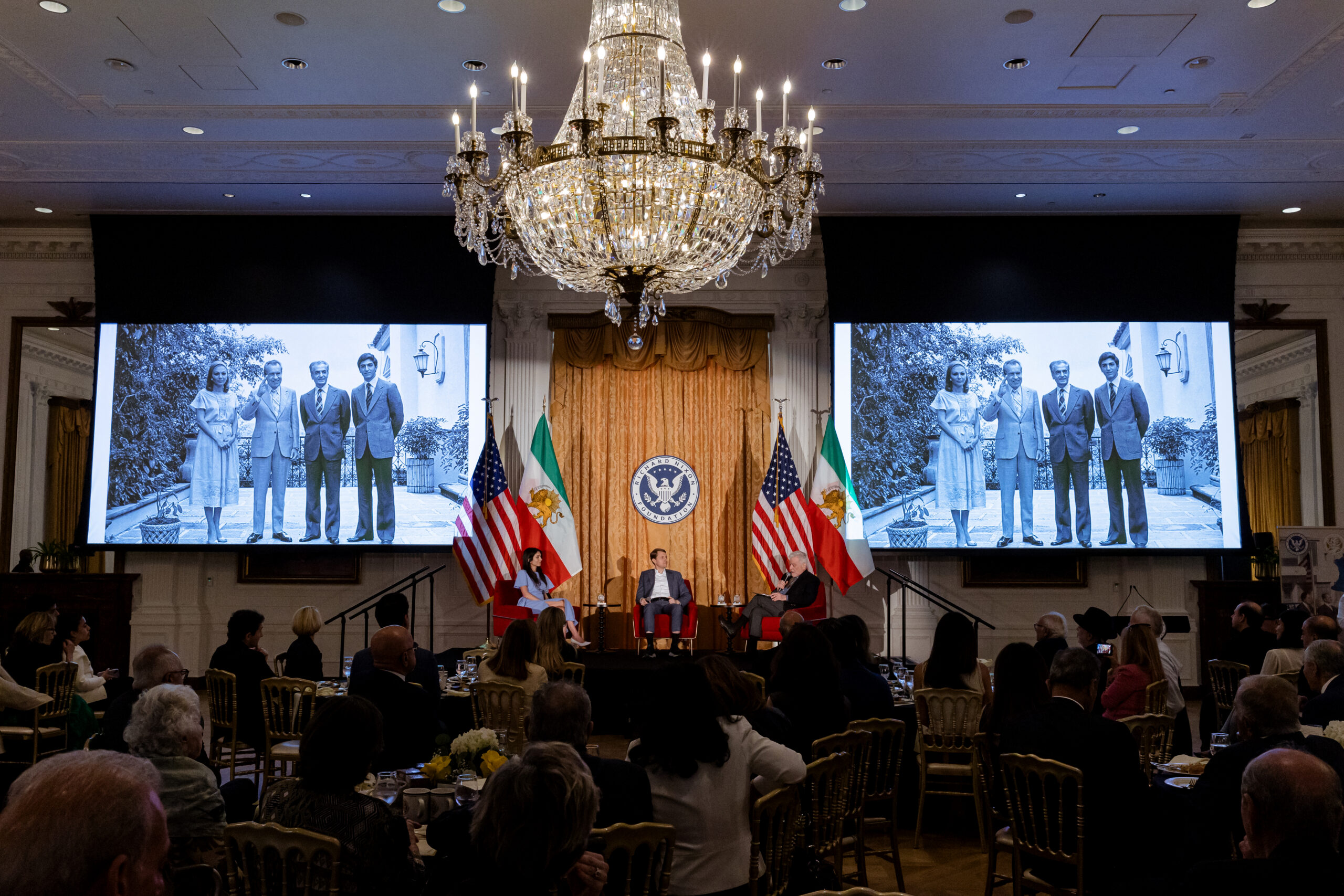
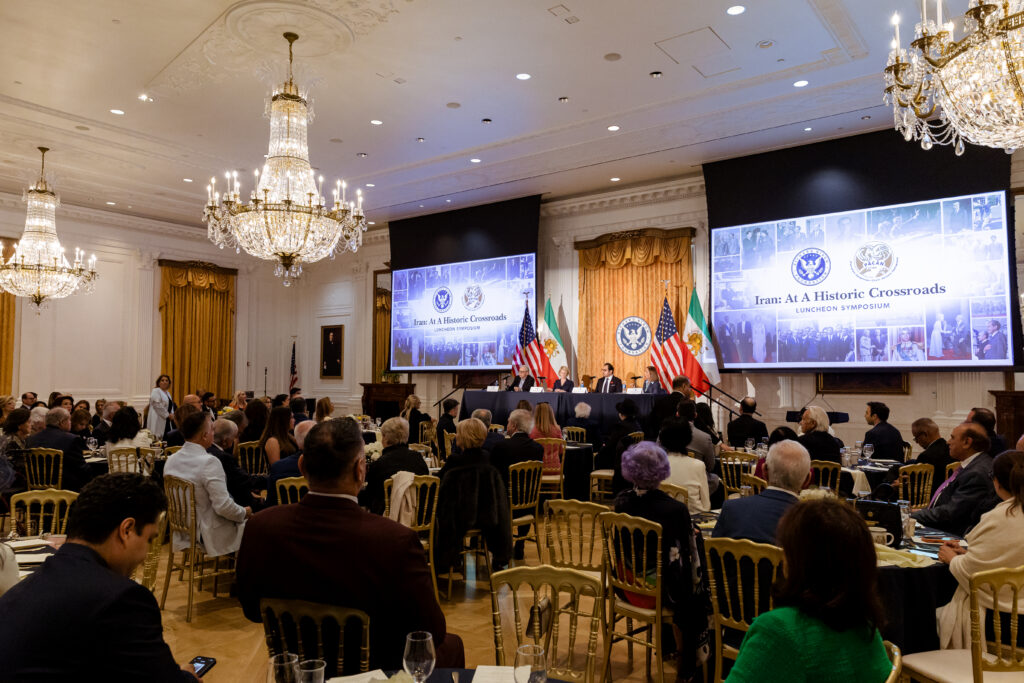
The Richard Nixon Foundation, in partnership with the Persian American Civic Action Network (PACAN), hosted a luncheon symposium on April 22, 2026, in the Nixon Library’s White House East Room, bringing together historians, policy experts, and distinguished guests to examine the legacy of the 1979 Iranian Revolution and the geopolitical stakes of Iran’s uncertain future.
The event’s keynote brought together Princess Noor Pahlavi, granddaughter of Shah Mohammad Reza Pahlavi, and Christopher Nixon Cox, grandson of President Richard Nixon, for a conversation moderated by Frank Gannon, special assistant to President Nixon. Gannon skillfully wove personal recollections with modern assessment, drawing out the deep personal and historical dimensions of the U.S.-Iran relationship.
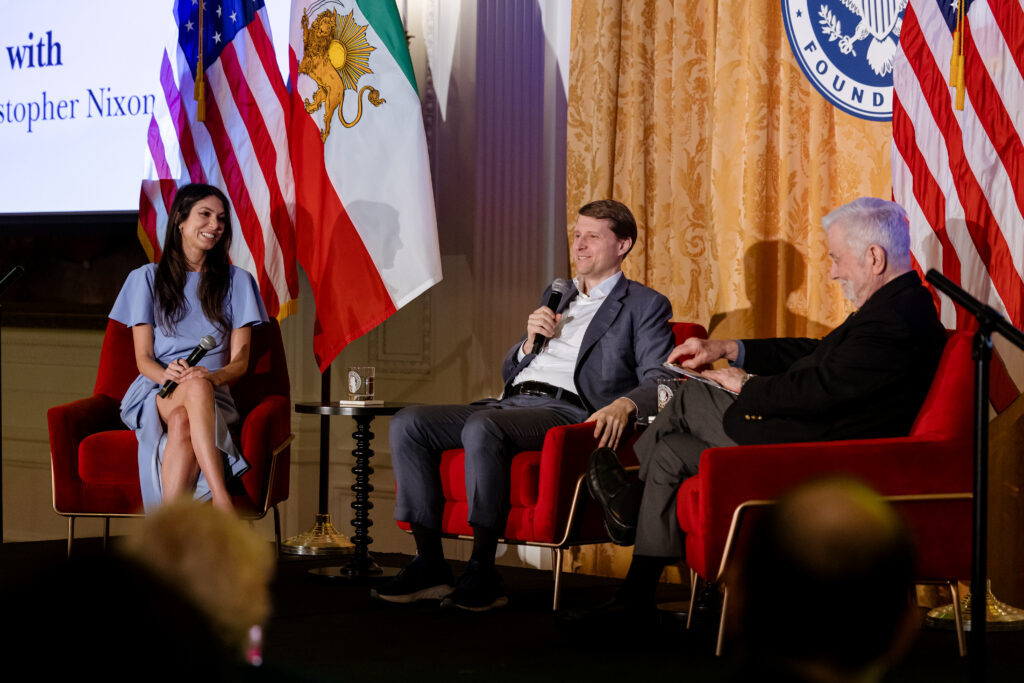
Princess Noor reflected on the bond between President Nixon and the Shah, expressing particular gratitude for President Nixon’s attendance at the Shah’s funeral — a gesture of loyalty at a moment when so many had turned their backs. She spoke movingly about the enduring vitality of Iranian cultural identity, expressed hope that diaspora Iranians would one day return to help rebuild their country, and offered an optimistic vision for what lies ahead: “I think there is only light ahead after all of this darkness.”
Christopher Nixon Cox spoke candidly about the lessons passed down through his family expressing that the United States’ abandonment of the Shah’s regime was one of the greatest strategic mistakes of the twentieth century. He described the Shah as a great ally of the United States, the West, and friendly nations across the Middle East, and lamented that the Shah’s commitment to modernizing Iran has been lost to history. He expressed hope that the historical record will be corrected and that the world would come to understand what a force for good Iran and the Iranian people can be.
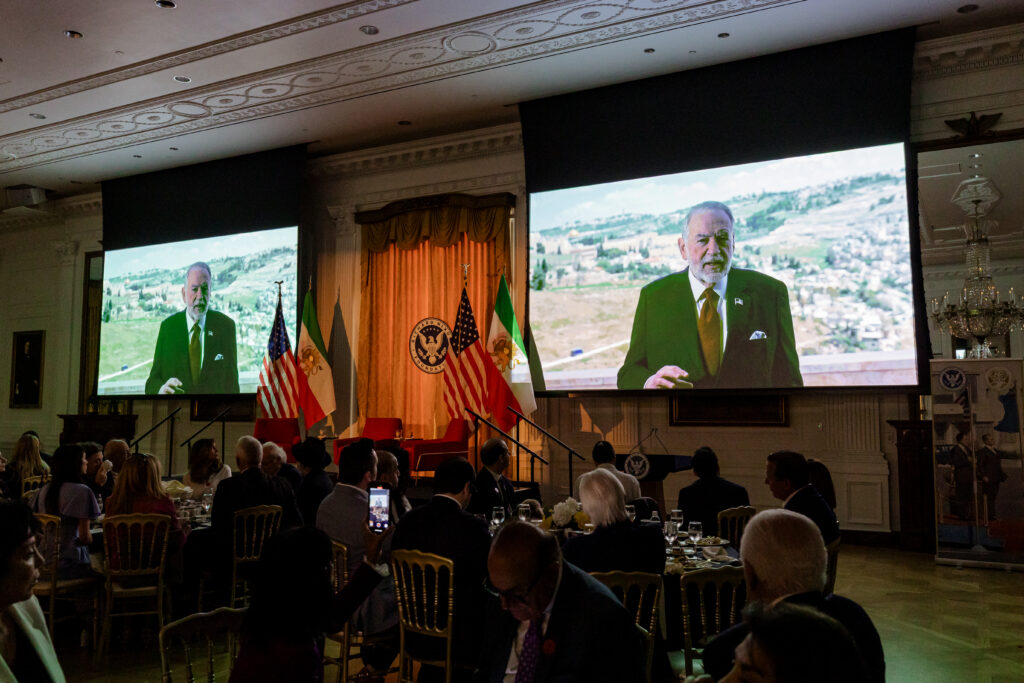
U.S. Ambassador to Israel Mike Huckabee delivered an on-the-ground video message from Israel, offering a firsthand diplomatic perspective on the region’s shifting dynamics. He reflected on President Nixon’s remarkable foresight in understanding world affairs, remarking that Nixon’s clarity of vision is a reminder of why the Nixon Library has grown more relevant and valuable than ever.
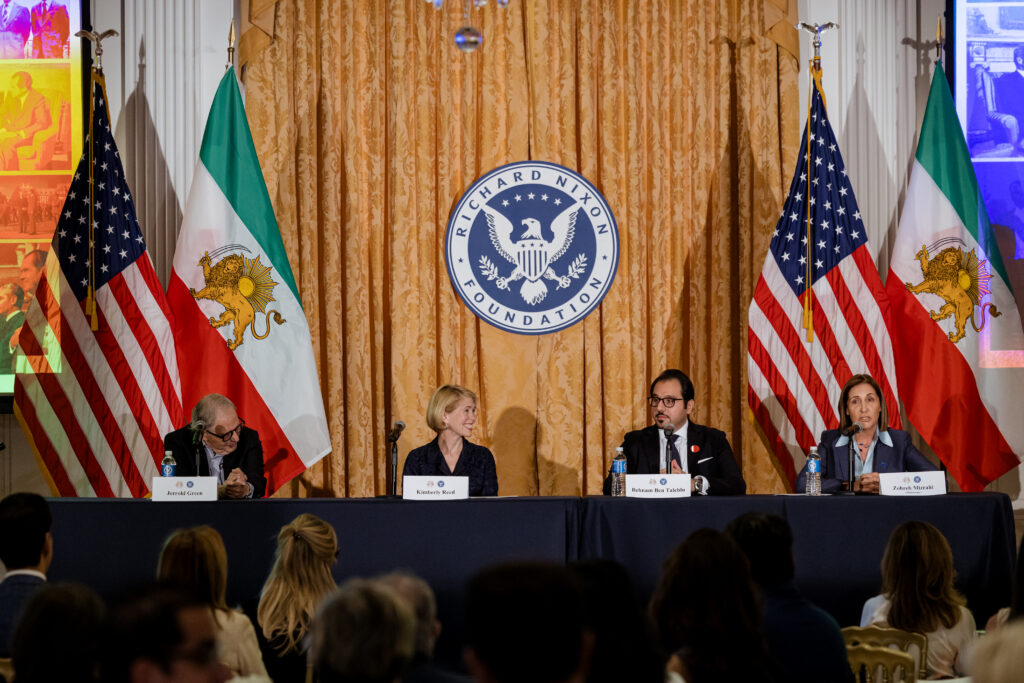
Moderated by Zohreh Mizrahi, CEO of PACAN, the panel featured Behnam Ben Taleblu, Iran Program Senior Director at the Foundation for Defense of Democracies; Dr. Jerrold D. Green, Senior Fellow at the UCLA Burkle Center for International Relations; and Kimberly A. Reed, Former Chairman, President & CEO of the Export-Import Bank of the United States.
Nearly half a century after the 1979 revolution, the panel convened to take a hard look at what those years have meant for Iran, for the Middle East, and for the United States. Dr. Green set the tone, pressing that the United States must pay serious attention to Iran before it is too late. Reflecting the present moment, Mizrahi noted that Iranian civilians had taken to the streets beginning in December, driven by hyperinflation, currency collapse, and deep resentment toward a regime that, as President Nixon himself once said, is not a government but a mob, a mafia, and a criminal enterprise that has ruled Iran for forty-seven years.
From there, the conversation broadened into the intersection of economic and security policy. Kimberly Reed traced the formal integration of these two spheres to the post-9/11 era, when Treasury Secretary Paul O’Neill secured a seat for the Treasury Department on the National Security Council. Applied to Iran, she argued, the country’s economic story cannot be separated from its national security story — and that economic pressure should be judged by whether it restrains capability, not merely changes rhetoric. She noted that Iran currently ranks 150 out of 164 countries on the Atlantic Council’s freedom index, making clear that the fate of the Iranian people and the fate of the regime are two very different things — a distinction she urged policymakers to hold firmly.
Behnam Ben Taleblu built on that foundation warning against settling for a military victory without also building the political conditions for lasting change. A regime left weakened but intact, he cautioned, would be too feeble to project power abroad yet still strong enough to kill unarmed protesters at home. He urged Washington to support the Iranian people directly, arguing that the only credible path to reduced regional entanglement runs through empowering Iranians. He relayed a message he had received from a brave Iranian citizen whose internet access had been cut off for weeks: “We are ready for sacrifice — not suicide.” It was, he said, a message that deserved to be taken seriously by decision-makers in Washington. The road ahead will be neither quick nor easy — the battle between the Iranian street and the Iranian state is a long one — but the resolve of the Iranian people, the panelists agreed, is real, and the moment calls for equal resolve from the United States.
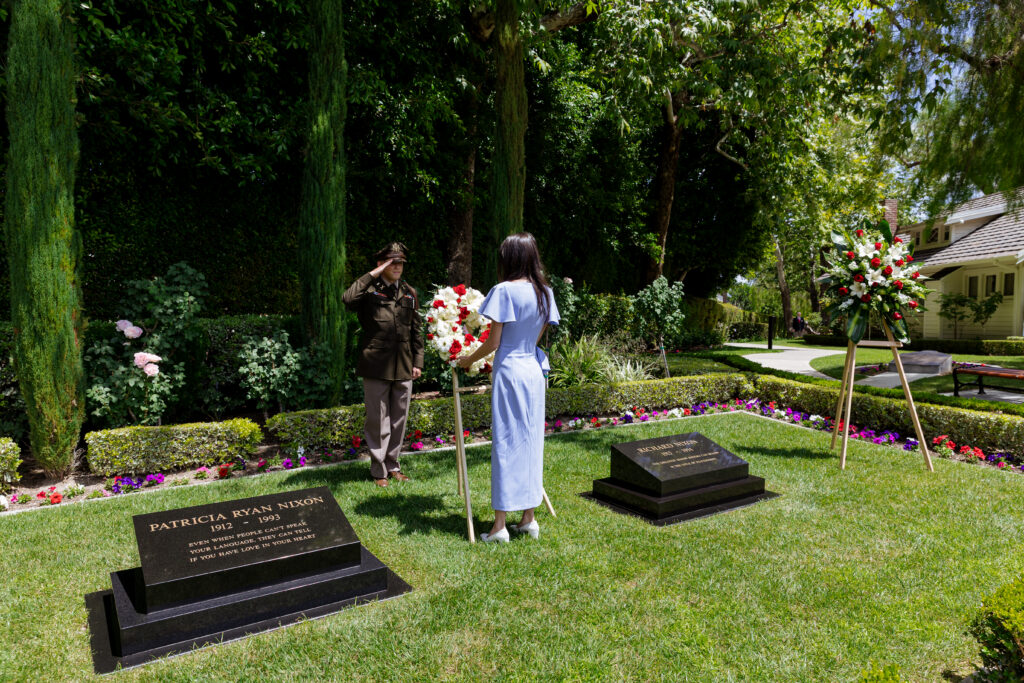
The day closed with a moment of quiet significance: Princess Noor laid a wreath at President Nixon’s memorial site on the anniversary of his passing, a tribute to a relationship between two leaders whose loyalty to one another has echoed across generations.
The symposium was held in commemoration of America’s 250th anniversary of independence, a milestone that gave added resonance to a conversation about freedom, alliance, and the universal aspiration for self-determination.
Watch here: